
Manufacturing careers in 2026 and beyond are evolving rapidly as the industry undergoes one of the most transformative periods in its history. Driven by advances in automation, connectivity, and artificial intelligence, today’s factory floors look dramatically different from those of even a decade ago. As we approach the new year, these changes are accelerating, creating fresh opportunities and higher demands for the workforce.
Whether you’re an industry leader, a seasoned technician, or someone exploring a manufacturing career path, understanding which skills will be in highest demand is essential. Below are five skill areas that will define success for manufacturing careers in 2026 and beyond.
1. Digital Literacy & Industry 4.0 Technologies
Industry 4.0 is no longer a future concept; it’s a present-day reality. The integration of smart machines, interconnected sensors, robotics, and AI-driven systems has become the foundation of modern production environments.
Workers who possess strong digital literacy and who can confidently operate IoT platforms, robotics systems, and automated machinery will have a decisive advantage. The ability to collaborate with intelligent systems, rather than simply operate them, will distinguish top talent.
Reports from the World Economic Forum emphasize that advanced digital skills will be among the fastest-growing competencies in industrial sectors and will shape manufacturing skills in 2026.
2. Advanced Data Analytics
Manufacturers now generate more data than ever before, from supply chain metrics to machine performance logs and quality control measurements. The challenge is no longer collecting data but making sense of it.
Professionals who can analyze large datasets, interpret patterns, and translate insights into operational improvements will be in high demand. Predictive maintenance, powered by analytics, is becoming a standard practice, reducing downtime and saving companies millions.
Familiarity with data visualization tools, statistical methods, and machine-learning concepts will help individuals stand out in roles such as process technician, manufacturing engineer, and operations analyst.
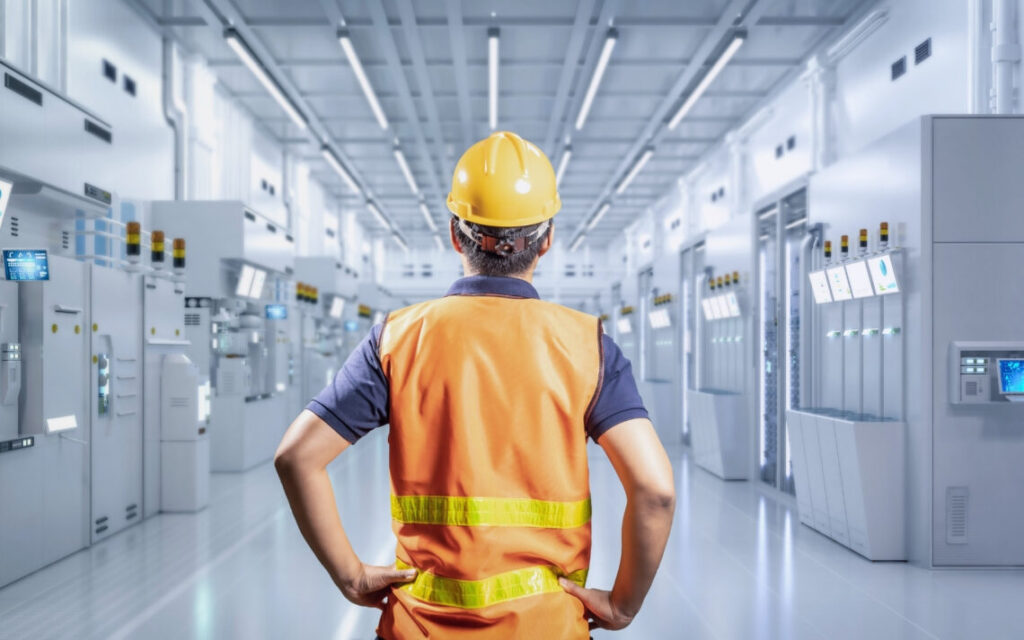
3. Cybersecurity Skills
As factories become more connected, they also become more vulnerable. Cybersecurity incidents targeting industrial systems have increased significantly, and protecting digital infrastructure is now as crucial as maintaining physical equipment.
Cybersecurity knowledge, ranging from basic best practices to understanding network vulnerabilities in industrial control systems, is becoming essential for nearly every role in the sector. According to a McKinsey & Company analysis, manufacturing is now one of the top three industries most frequently targeted by cyberattacks and will have a major impact on manufacturing careers in 2026 and beyond.
In 2026, manufacturing employees will need to understand not only how to use digital tools but also how to protect them.
4. Problem-Solving & Critical Thinking
Automation may handle repetitive tasks, but humans remain vital when it comes to creativity, troubleshooting, and navigating unexpected challenges. When a system fails, when a new product line needs to be configured, or when processes need optimization, strong problem-solving abilities make all the difference.
Critical thinkers who can quickly assess situations, diagnose issues, and propose solutions will continue to play a central role in the industry’s evolution. Even in highly automated environments, human insight remains irreplaceable.
5. Adaptability & Emotional Intelligence
Technology isn’t the only thing moving quickly—roles, workflows, and organizational structures are evolving as well. As companies implement new systems and shift toward more flexible production models, adaptability becomes a key driver of career longevity.
Emotional intelligence (EQ) will also play a larger role in manufacturing leadership. Teams increasingly consist of cross-functional groups, hybrid technical roles, and human-machine collaboration zones. Professionals who can communicate clearly, navigate change gracefully, and support others will thrive in these environments.
Preparing for the Future Today
Manufacturing careers in 2026 will be more digital, more connected, and more complex. But it will also be filled with opportunities for those who cultivate the right blend of technical and human-centered skills.
By embracing technologies like IoT and robotics, strengthening data literacy, prioritizing cybersecurity awareness, enhancing problem-solving abilities, and developing emotional intelligence, workers can position themselves for long-term success.
The transformation is already underway; now is the time to prepare, adapt, and lead with confidence.